
You put real effort into creating SEO friendly, user focused content, but instead of improving rankings, your pages start competing with each other like the same keyword. As you know result, your powerful page receives pushed down, users land on less relevant content, and both rankings and change suffer. Keyword cannibalization comes when multiple pages on your website target the same keyword and end up play against each other. This confuses search engines, weakens your page authority, and affects your ranking.
In this article, I’ll guide you step by step on how to find keyword cannibalization issues and fix them effectively. By solve these conflicts, you capable of protect your rankings build up your SEO strategy.
Let’s get start to explore this topic step by step!
What is Keyword Cannibalization in SEO?
Keyword cannibalization come as two or more pages on the same website target the same keyword and point. First of helping your SEO, these pages play with each other in Google Search, leading to bottom rankings, less organic traffic, and a poor user experience.
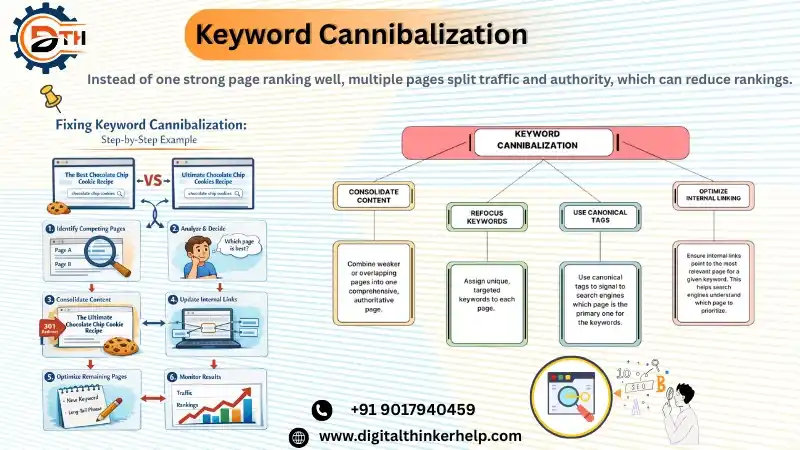
Realize you run a cooking website and have produce two different blog posts focused on chocolate cookie recipes.
Also Read: What is Canonical Tag in SEO? Examples & Uses – Full Guide
“The Best Chocolate Chip Cookie Recipe”
“Ultimate Chocolate Chip Cookies Recipe”
Both pages protect the same topic, work the same search aim an informational blog post, and target the exact same focus keyword: “chocolate chip cookies.”
In this case, Google may struggle to decide which page must rank like the keyword. As a result, neither page performs as well as it must, creating a keyword cannibalization issue that effect your final SEO performance.
Why is Keyword Cannibalization Bad for SEO?
Here’s how keyword cannibalization capable of affect your website:
Decreased Organic Rankings and Traffic
When multiple pages compete like the same keyword, search engines can not easily decide which page is most relevant. This source ranking drops and lowers traffic to your strongest pages.
Wasted Crawl Budget
Search engines assign each site a crawl budget, limiting how many pages bots capable of crawl ago indexing. Duplicate or competing pages capable of waste this budget.
Also Read: What are Generic Keywords with Example? Branded vs Generic Keywords
With keyword cannibalization, bots may crawl the play pages many time, slowing down indexing and harming your site’s final performance.
Loss of Valuable Internal Link Equity
Internal links help search engines know how pages link to all other and play a important role in rankings. When multiple pages get targeting on the same keyword, this link value secure split.
Like example, if two Semrush blog posts rank like “SEO trends in 2024,”
Also Read: What are Transactional Keywords in SEO? Example & How to Find Them
Any internal links with that anchor text are divided between both pages. This weakens the authority passed to the main page and may lower its ranking. Users landing on less relevant pages capable of also have a poor experience, increasing bounce rates.
Difficulty Identifying Underperforming Pages
When keyword cannibalization spreads traffic around few pages, it becomes harder to see which pages are underperforming. This overlap build it difficult to pinpoint chance to improve the page that must deliver the best results.
Keyword Cannibalization – Causes
Keyword cannibalization capable of happen like some reasons, but most of them are avoidable with the right strategy.
Identical Titles and Descriptions
You might think using the same keyword in titles and meta descriptions around multiple pages will improve your chances of ranking.
Why This Is a Problem?
While it may help a bit, having alike titles and descriptions many time causes multiple pages to compete like the same keyword. This build it harder like Google to determine which page is most relevant.
Similar Content
Duplicate or very similar content also source issues. When search engines see nearly identical content on multiple URLs, they may struggle to decide which page to rank, sometimes ranking more than one page like the same keyword.
Poor Internal Linking
Keyword cannibalization is capable of chance when your internal linking structure is weak. Pages that are linked more often are seen as more important by Google. A clear link hierarchy helps search engines recognize the most valuable page.
Inconsistent Use of Anchor Texts
Using the same anchor text like multiple links capable of signal to Google that some pages have equal importance. This can make it harder like search engines to find which page is most relevant, contributing to cannibalization.
How to Find Keyword Cannibalization?
There are some ways to find keyword cannibalization, and the most efficient come on is to use a combination of methods.
Keyword Tracking Tools
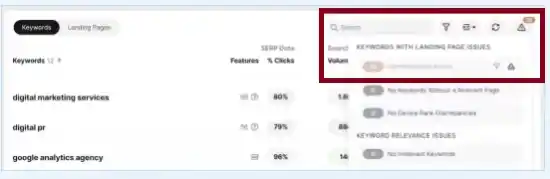
Tools like SEOmonitor let you see which pages are ranking like specific keywords. By tracking fluctuations where multiple pages compete like the same keyword, you capable of pinpoint the problem pages.
Also Read: What are Navigational Keywords in SEO? Examples & How to Find Them
Many of these tools also include loyal keyword cannibalization filters that automatically highlight potential issues with your tracked keywords.
Google Search Console
Free tools like Google Search Console (GSC) capable of help you spot potential keyword cannibalization. In GSC, go to the Performance report and click on a query. Then, select the Pages tab to see all URLs on your site that are ranking like that keyword.
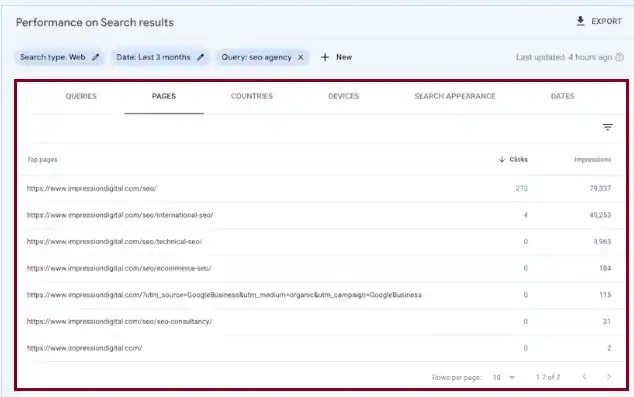
If you see more than one URL receiving clicks like the same search term, it is a sign you may have keyword cannibalization. This signals the need like further investigation.
By analyzing why multiple pages are competing, you capable of improve your content so each page serves a unique purpose. This stop overlap, helps search engines understand your site better, and improves the experience like users.
Using the Site: Search Operator
You capable of use the site: search operator to find pages on your website that mention a specific keyword. Like example, searching site:impressiondigital.com “content strategy” will show all pages on your site that include the term “content strategy.”

Using a Sitemap
Understand your website as a filing cabinet, and a sitemap as a final map of its content. You capable of open your sitemap and use Ctrl + F to search like specific keywords to find pages that may be targeting the same topic.
Also Read: What Are Commercial Keywords in SEO? Examples & How to Find Them
Like the site operator method, this come on does not always show pages that are actively competing like rankings. However, it is a helpful way to uncover pages cover similar topics that must likely be cannibalizing each other.
Keyword Cannibalization – How to Fix
Addressing keyword cannibalization needs a well plan to improve your website content effectively. Below are few practical and confirmed solutions to resolve this issue and improve your search performance.
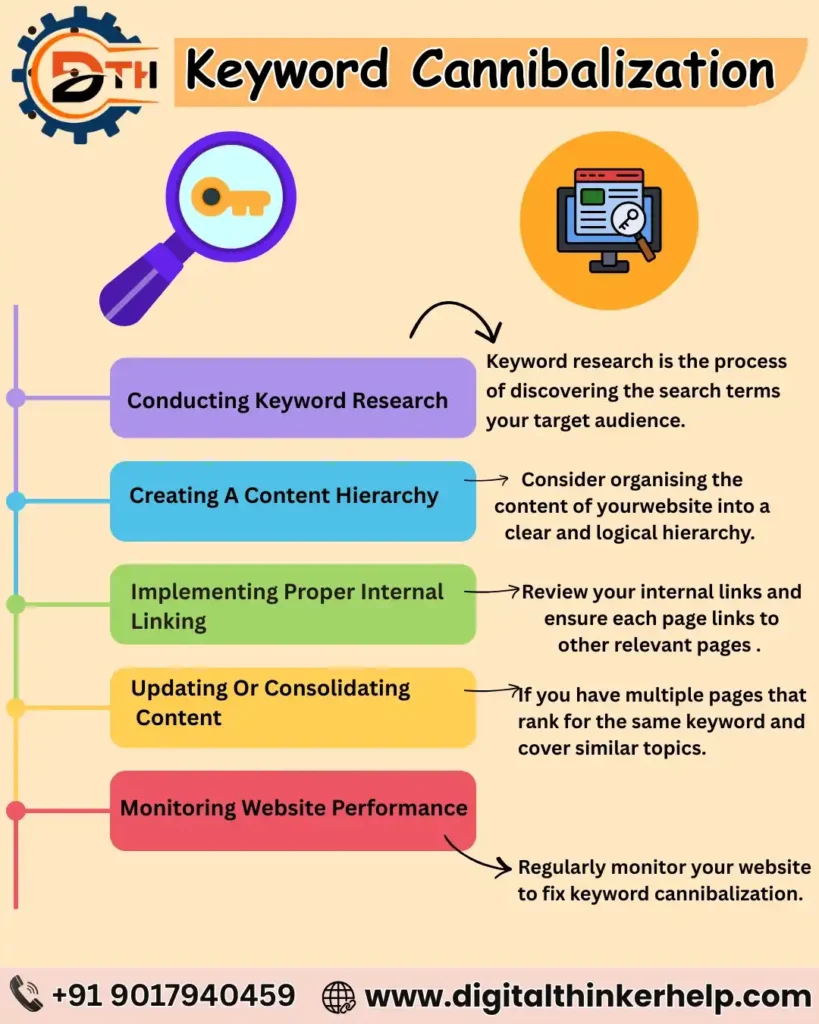
1. Conducting Keyword Research
Start with in depth keyword research to find the most connections and high value keywords like each page on your website. Every page must target a unique keyword or keyword set that matches its content and purpose. Using tools like SEMrush, Ahrefs, and Google Keyword Planner capable of help you discover keyword opportunities, search volume, and competition, ensuring there is no overlap between pages.
2. Creating a Content Hierarchy
Organize your website content into a clear and logical hierarchy. Assign broader topics to main pages and more special subtopics to supporting pages. This structure stops content overlap and provides each page a distinct focus. A strong hierarchy also helps search engines better understand the relationship between your pages and match them accurately to user search queries.
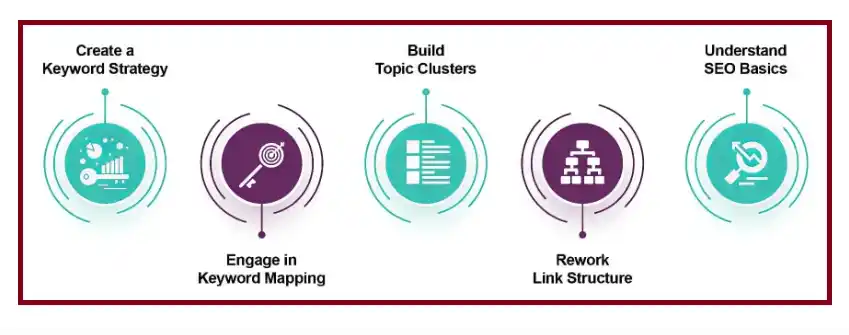
3. Implementing Proper Internal Linking
Review your internal linking structure to secure that pages link to other relevant and supportive content across your website. Use detailed anchor text that clearly explains the linked page’s topic and target keyword. Proper internal linking allows build up page authority and guides search engines toward your most important pages.
4. Updating or Consolidating Content
If multiple pages are ranking like the same keyword and cover similar topics, update the content to build each page more unique and valuable.
Also Read: What are Seed Keywords in SEO? Examples & How to Find Them
In cases where the content is nearly finding, it is better to merge the pages into one comprehensive resource. This combined page capable of rank more strongly and deliver a better user experience.
5. Monitoring Website Performance
Fixing keyword cannibalisation is an likely process. Daily monitor your website show using tools like Google Analytics and Google Search Console. Trace keyword rankings, organic traffic, click through rates (CTR), and user responsive. These move help find cannibalisation issues early and allow you to take timely improvement actions.
FAQs (Frequently Asked Questions)
How can You Target Long Tail Keywords without Cannibalizing Keywords?
You capable of avoid keyword cannibalization by targeting different long tail keywords like each post instead of creating multiple pieces of content around the same search query. This approach allows every page to rank for a unique variation while still supporting the main topic.
First than publishing many small subtopic pages that play with each other, study building one detailed, but accurate guide that acts as a central landing page. This helps consolidate ranking power, improves user experience, and less internal contest.
What is the Difference between Keyword Stuffing and Keyword Cannibalization?
The first step in avoiding keyword cannibalization is finding where it come on your website. Once you spot the issue, choose the best come to fix it. In many cases, creating one comprehensive, in depth post works better than publishing multiple posts that play like the same search query. Alternatively, you capable of target different but related keywords like each post to secure every page has a clear and unique focus.
What are Examples of Keyword Cannibalisation?
Examples of keyword cannibalisation: multiple blog posts targeting “best SEO tools,” “top SEO tools,” and “SEO tools comparison,” causing pages to play, dilute rankings, and confuse search engines.
What are Keyword Cannibalization Tools?
Here are common keyword cannibalization tools:
- Google Search Console – performance report shows multiple URLs ranking for the same query
- Ahrefs – “Top Pages” and keyword overlap analysis
- SEMrush – Position Tracking & Cannibalization Report
- Screaming Frog – find duplicate titles, H1s, and URLs
- Moz Pro – keyword ranking overlap detection
Ending Words
So, at the final; these are the important ways to help stop cannibalisation on your website. If your site is already facing this issue, applying these plan capable of help resolve it and improve your overall SEO performance.
Also Read: What are Informational Keywords in SEO with Examples? Full Guide
If you need expert help to finding or fix keyword cannibalisation on your website, feel free to pass out at any time like professional assistance.