
When your goal is to increase sales, every keyword is not equally effective. Few keywords only start visitors but commercial intent keywords attract people who are already interested in buying. That’s why these keywords are so valuable like marketers who want real conversions, not just traffic.
In this easy guide, you’ll learn everything around commercial intent keywords what they are, why they matter, and how to find them.
Then, here you’ll also find smart ways to rank like these keywords and track their performance so you capable of improve your results over time.
What Are Commercial Keywords? Meaning
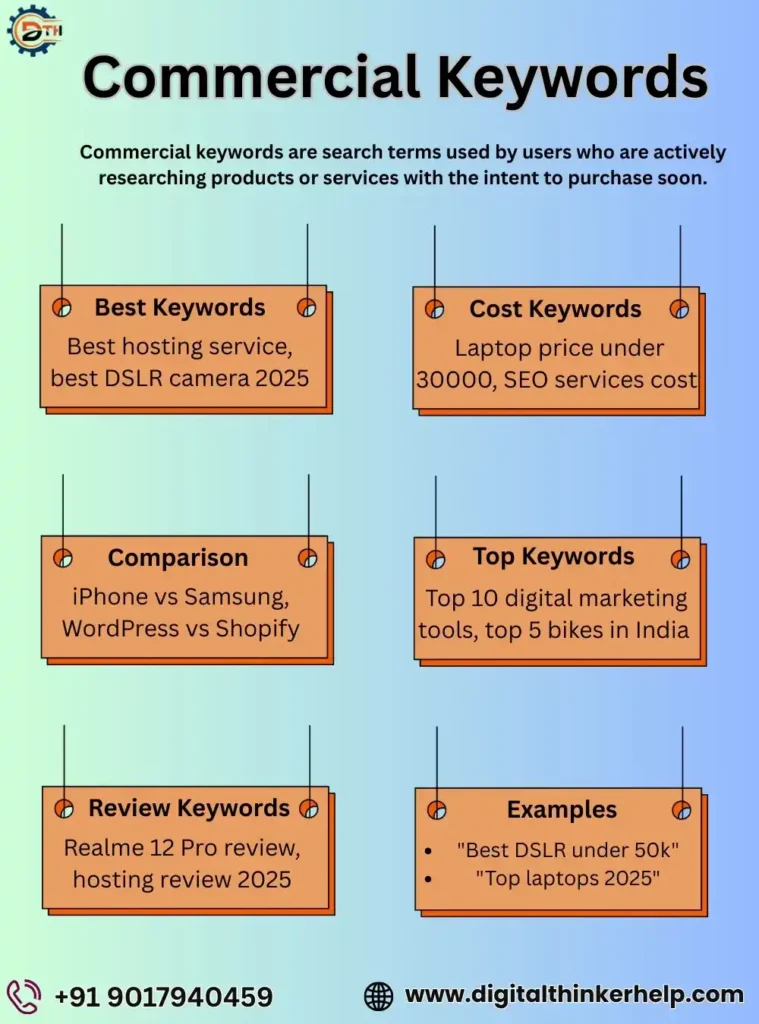
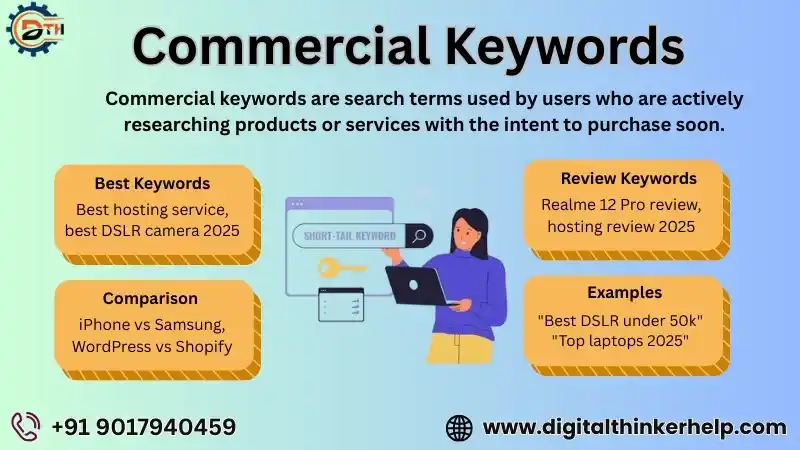
Commercial keywords are words or phrases people search when they want to learn more around a product or service ago buying it. These keywords show that the person is interested in buying, but they have not fully decided what to purchase yet.
Also Read: What are Transactional Keywords in SEO? Example & How to Find Them
They know they have a need or problem, and now they are searching like the best possible solution. Most commercial keyword searches happen when someone wants more full information about products or services.
They energy look like facts, reviews, comparisons, or features to help them build a confident decision. They may even search like free trials, offers, or discounts before finalizing their purchase.
Why Are Commercial Keywords Important?
Many marketers assume that high search volume matters more than search intent — and that are where they go wrong. Yes, some keywords are searched a lot, especially general informational terms. For example, the keyword “information technology” gets huge search traffic.
So, businesses may think targeting it will bring them more visitors. That might be true, but these keywords are also extremely competitive and don’t always lead to sales.
High traffic keywords hardly convert well unless you are a big, well known brand. People searching informational keywords are mostly just trying to learn something not buying something. They want answers, not solutions.
That’s why it is smarter to target commercial intent keywords, as their search volume is lower. They attract users who are already exploring products or services and are more likely to become paying customers.
When you attract the right audience, conversions naturally increase which means more sales and revenue. Commercial intent keywords also improve metrics like click through rate because users searching them are more action driven.
Meanwhile, high volume informational keywords often lead to zero click searches, where users leave without taking any action.
Examples of Commercial Intent Keywords
There are various types of commercial intent keywords, and brief different stage of buying interest, around with few examples:
Investigative Intent Keywords
These are the keywords people use when they are search and linking different solutions. As you know they have a problem, but they have not decided how to solve it yet. These terms do show buying intent, but the user is still in the early research stage of the buying journey.
Since users are still explore and meeting information, it is a good idea to target low competition keywords in your content. This helps build awareness, improves your brand visibility, and positions you as a helpful resource alike the start.
Common words that specify commercial intent at this stage include:
- How
- Ways to
- Solutions to
- Information about
- Tips on
Buy Now Intent Keywords
These keywords are used when a customer is ready to buy a product or service immediately. They show that the user do not need more research and is ready to build a purchase.
Also Read: What are Navigational Keywords in SEO? Examples & How to Find Them
Users searching with these keywords are at the bottom of the sales funnel, meaning they are ready to accept action. As you know these keywords do not have very high search volume, they usually deliver a high conversion rate because the intent to buy is clear.
Few common words in buy now intent keywords include:
- Buy online
- Discount
- Free shipping
- Coupon
- Deal
Service/Product Focused Intent Keywords
These keywords focus on a specific problem that a product or service capable of solve. People searching with these terms are usually a little higher up in the sales funnel, still in the research stage but they do show clear buying intent since they are actively comparing options.
The keywords people use often depend on what they are looking like, such as quality, price, or reviews. Few common examples of product or service focused intent keywords include:
- Top
- Best
- Review
- Cheap
Location-Specific Commercial Intent
These keywords show commercial intent but are location specific. They are used by people looking to buy a product or use a service nearby or in a specific area.
Sometimes, these keywords are also used by people traveling who want to know where they capable of find sure products or services. Common examples of location based commercial intent keywords include:
- Near me
- Close to me
- Pickup
How to Find High Commercial Intent Keywords?
1. Identify Intent Signals
Commercial intent keywords usually look when a person is ready to build a purchase. You capable of often spot them by looking like specific keyword modifiers, such as:
Transactional Modifiers
- buy
- price
- cost
- quote
- order
- coupon
- discount
- near me
- free trial
- subscription
- Comparison modifiers
- best
- top
- review
- vs
- compare
- alternatives
These words help identify users who are ready to buy.
2. Use Keyword Research Tools
These tools show volume, competition, and intent:
Also Read: What are Seed Keywords in SEO? Examples & How to Find Them
Top Tools
- Google Keyword Planner (free)
- Ahrefs
- SEMrush
- Moz Keyword Explorer
- Ubersuggest
- AnswerThePublic (for long-tails)
What to look for:
Keywords with buying modifiers
High CPC → often means high intent
High conversions in PPC → signals strong commercial demand
Keywords competitors spend money on
3. Analyze Competitor Pages
Find what keywords your competition ranks or pays for.
Look at:
- Their product pages
- Their Google Ads keywords
- Their top pages by conversions
Most SEO tools show competitor keyword lists + paid keywords (these are usually high intent).
4. Check Google SERP for Buying Signals
Search the keyword and examine what appears.
If you see:
- Shopping ads
- Product pages
- Price comparisons
- Local service results
- “Best X for Y” articles
→ That’s a commercial intent keyword.
If you see:
Wikipedia
Definitions
Informational blogs
→ That’s low intent.
5. Use Amazon, eBay, and Marketplace Data
- These platforms reveal purchase-ready keywords.
- Search for your product category → look at:
- Auto-suggestions
- Frequently bought items
- Product titles (rich with high intent keywords)
6. Generate Long-Tail Commercial Keywords
Use formats like:
“buy + [product] + near me”
“best + [product] + for + [use case]”
“[product] + price in [location]”
“[product] + alternatives”
“[software] + free trial”
These are easier to rank for and convert extremely well.
7. Use Customer Data & Analytics
Check:
- Google Search Console (queries already bringing traffic)
- On-site search terms
- PPC conversion data
- CRM and sales history
Implementing Commercial Keywords in Content
There are some essential things that you should be knowing about this:
1. Content Creation
Product Pages: Optimize your product pages with commercial keywords to attract users who are ready to build a purchase. Like; tips on creating effective content, check out our SaaS Content Marketing Agency.
Blog Posts: Write blog posts that answer common questions or compare products and services using commercial keywords. This helps attract users who are researching ago buying.
2. On-Page SEO
Title Tags and Meta Descriptions: Build sure to involve the commercial keywords in your title tags and Meta descriptions. This helps improve your click through rates alike search engine results.
Headings and Subheadings
Involve the commercial keywords in your headings and subheadings to build your content more applicable and easy to read.
FAQs (Frequently Asked Questions)
How do You Identify Commercial Keywords?
Use tools like Google Keyword Planner and SEMrush to find commercial keywords. And, they also analyze the keywords your challenger are select.
What are Some Examples of Commercial Keywords?
Like example of Involve the include “Buy iPhone 12”, “Best laptop deals”, “Nike running shoes”, and “Apple iPhone”
Final Remarks
Commercial intent keywords capable of guide highly targeted traffic to your website and help boost conversions. By understanding what these keywords are and using them effectively, you capable of build up your online presence and stay ahead of your competitors.
Also Read: What are Informational Keywords in SEO with Examples? Full Guide
The key to success is choosing the right keywords, using them planned in your content, and continuously clear your approach based on results.
Are you ready to control the power of commercial keywords and accept your digital marketing to the next level?